
Public health: connecting communities to health resources
Public health is one of the most powerful ways to make a real difference in the world—starting right where you live. Whether it’s ensuring safer neighborhoods, expanding access to wellness resources, promoting mental health, improving environmental conditions, or addressing the systems that shape how people experience health, public health leaders work at the intersection of science, community, and justice.
At Cornell, our community and public health major gives you a focused and interdisciplinary path into this meaningful work. You’ll work closely with your classmates and professor to explore how health is connected to biology, behavior, social determinants of health, environment, and policy, while learning to understand the root causes behind the challenges communities face. The program equips you with the knowledge and tools to help minimize health hazards, reduce health disparities, and improve quality of life for people and populations.
If you’re drawn to helping others, this major turns that instinct into impact. You’ll learn to ask deeper questions—Why do health inequities exist? How are different groups and communities of people impacted? How can we change the conditions behind it?—and you’ll apply evidence-based approaches to design real solutions that matter.
Public health is a field for problem-solvers, collaborators, and advocates. It’s a place for students who want their work to be both people-centered and purpose-driven, and who want to graduate ready for growing, flexible careers that empower them to build healthier futures on local, national, and global scales.
More to explore:
If you're interested in extending your community and public health interests into pursuing a career in health services, we have services to help you explore that pathway and prepare for graduate studies towards an advanced degree.
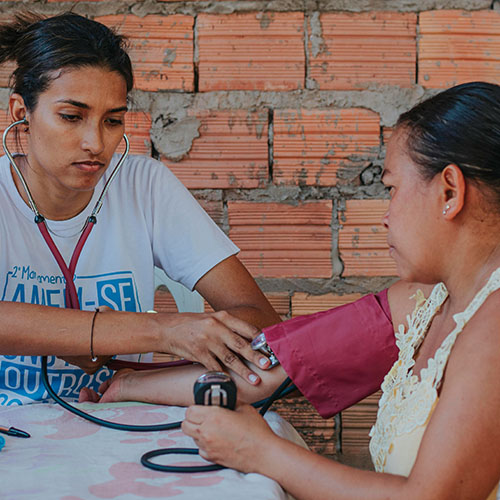
Community and public health course and degree requirements
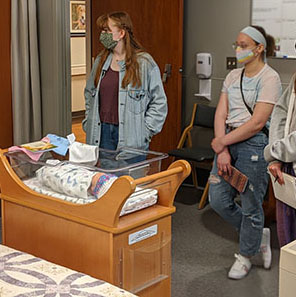
Sociology professor Tori Barnes‑Brus spear-headed this interdisciplinary major with assistance from faculty in Statistics, Kinesiology, Biology, and politics, along with conversations with students, guidance from the Council on Education for Public Health, and insights from alumni who are currently working and teaching in the field. The result is a program designed for real-world relevance from day one.
You’ll build a strong, intentional foundation through eight core courses—such as Fundamentals of Community and Public Health, Statistical Methods, and Epidemiology or Biostatistics—paired with electives that let you explore the areas that spark your curiosity. Along the way, you’ll develop hands-on skills through research methods coursework, an internship or practicum, and a capstone project that will help you translate your Cornell experience for the job market.
The major gives you both structure and flexibility: the preparation you need for a career in public health and the freedom to tailor the program to your interests in the areas of community and behavioral health; social, global, and population health, or biological and environmental health.
Community and public health capstone
Our capstone is geared toward reflecting on what students have done and where they each want to go,” Barnes-Brus said. “It’s looking back, looking forward, and really figuring out what project will help each individual student position themselves for the job market, using their own academic experience to inform that.”
Courses in Community and Public Health
Community and public health research
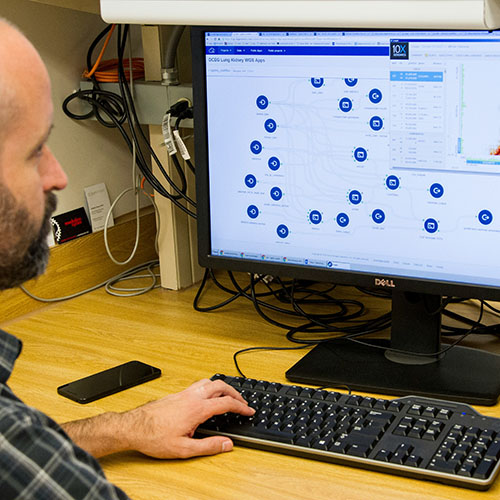
Professionals in the field of community and public health study a wide array of data and global and local health trends. This may include grassroots efforts working in non-profits, working with vulnerable populations to meet health care needs, engaging in community activism to minimize threats to health. You might engage in health promotion education around topics like tobacco use, domestic violence prevention, and harm reduction. Or it may be more research driven–tracking rates of chronic diseases like diabetes or asthma and investigating what environmental factors contribute to higher risk, studying mental health needs across different age groups, or comparing health disparities by socioeconomic or racial groups.
Researchers may then use this information in community needs assessments or to evaluate the successful implementation of health programs or how health policies support–or undermine–community health.

Off-campus opportunities in Community and Public Health
Cornell students and faculty are able to leave campus for a whole block to gain in-depth knowledge of global communities because of One Course At A Time. Travel to Japan to example how cultural ideologies, social practices, and public policies impact gender, race, and human rights. Or investigate the complex ways that gender relationships shape history, ideology, economy, and polity in India, allowing you to compare and contrast non-Western experiences with Western experiences.
Internships in Community and Public Health
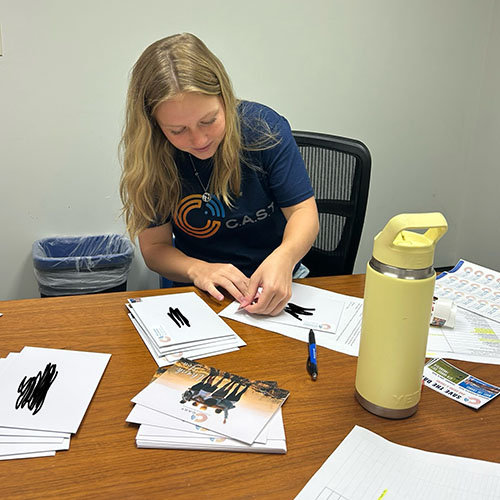
Internships are a crucial part of this major and you’ll have course opportunities as well as traditional internship opportunities to get hands-on experience with public health work. In CPH 395 you’ll take a full block to explore real-world work in a public health, social services, or nonprofit organization. Cornell facilitates student relationships with local nonprofits like Willis Dady Homeless Services, Iowa Harm Reduction, and the Emma Goldman Clinic to help you connect with professionals whose interests match what you want to explore.
What are Cornell students doing in internships? Check out their blogs
Health and Wellness Internships Community Development and Social Services Internships
Career opportunities in community and public health
According to the U.S. Bureau of Labor & Statistics, healthcare occupations will grow much faster than other job sectors from 2024–2034, with an average of 1.9 million openings per year. Public health focuses on evidence-based data to minimize health hazards, reduce health disparities, and support health and wellness for all communities. It includes professions in government, business, and nonprofit sectors, with roles such as epidemiologists, information officers who create programs, educate directly, or manage data, grant coordinators, researchers, and health policy analysts and policymakers, among others.
The Berry Career Institute can help you identify what you’ll pursue with a focus on community public health.
Health and Wellness Careers Community Development & Social Services Careers